This is a private sale - consumer-law rights that apply to purchases from a business generally do not apply here. The seller, not The Aviary Hub, supplies this animal/item and is responsible for its description and handover; The Aviary Hub is responsible for its own listing service, moderation and data handling. See our Trader and Consumer Information page.
★ Founder Member
Seller
Licensed seller
Report a product safety concern
Asking price:€13.01
The price above is the seller’s own asking price for this item, arranged privately between buyer and seller. The Aviary Hub does not process, hold, or transfer this payment - message the seller below to arrange payment and collection.
Sign in or create a free account to contact this seller.
Buying safely: always view the animal in person before agreeing to buy, and be wary of any seller who pressures you to decide quickly or asks for a deposit before you have seen it. Read our full Buyer & Seller Safety guidance.
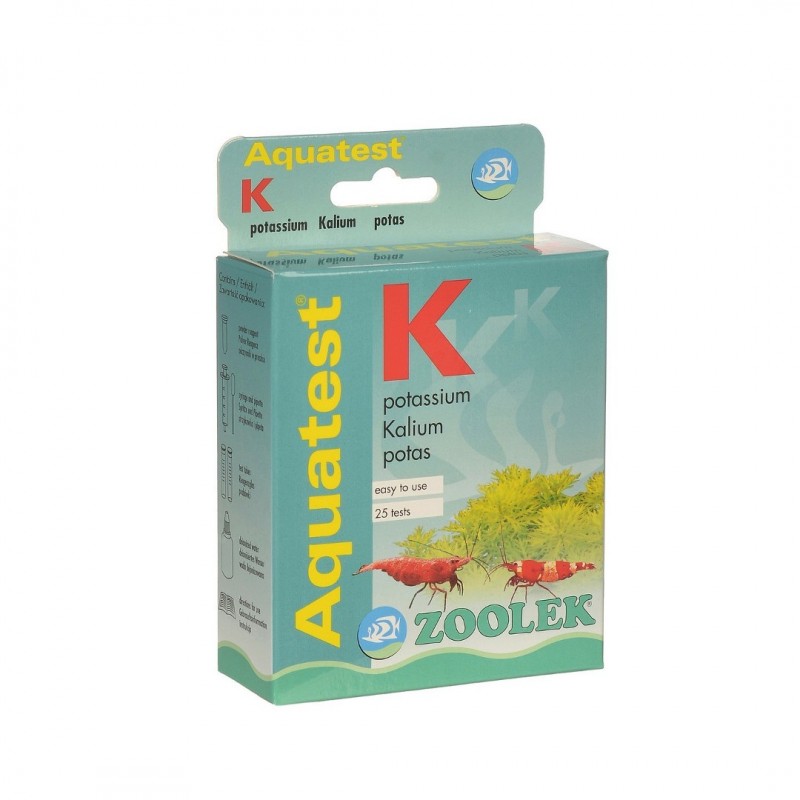
Aquatest K is used to determine the concentration of potassium ions in fresh water in the range of 3 – 125 mg / l. The measurement is performed by the turbidometric method – consisting in quantifying the turbidity after adding the reagent. The turbidity intensity is higher the higher the concentration of potassium ions in the tested solution. The set contains: reagent powder container a bottle with demineralized water a spatula 2 plastic tubes syringe pipette picture instruction instructions for use Why measure your potassium content? Potassium next to nitrogen and phosphorus is one of the macroelements necessary for plants to grow properly. In aquariums with fish, the content of nitrogen and phosphorus is generally sufficient or excessive, while maintaining proper potassium levels requires supplementation and systematic control. The potassium-deprived leaves of the plants turn yellow, and over time, holes appear in them. For most plants, the sufficient concentration of potassium in water is 10-20 ppm (mg / liter), and its consumption depends mainly on the number of plants and their growth rate. When supplementing this element, it should be remembered that although high potassium concentration in water is not toxic, it can cause impairment of absorption of other bioelements.